
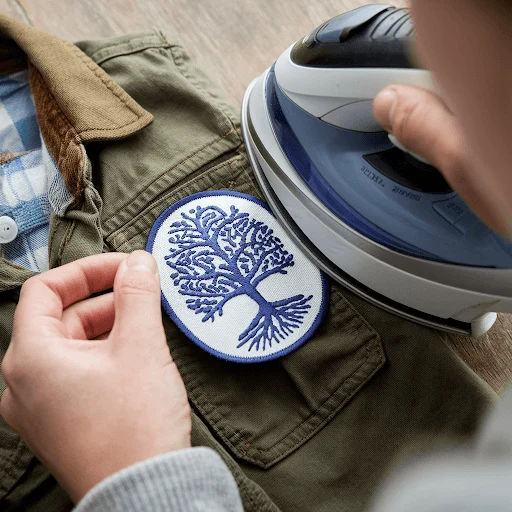
The problem is that “iron on” covers a wide quality range. Some are built for occasional fashion use, while others are closer to workwear repairs.
What actually makes an iron on patch “durable”?
Iron on patches last as long as their bond strength, patch build, and placement allow. A great patch on a low-stress spot can last years, while a mediocre one on a high-stress area like a knee can fail in weeks.
Key factors include the adhesive type, the thickness of the patch, edge finishing, and whether the garment fabric can hold heat-set glue properly. Daily friction and repeated washing are usually what exposes weak bonds first.
Which fabrics hold iron on patches best?
Tightly woven cotton, denim, and cotton blends usually hold iron on patches best. These fabrics tolerate heat well and give the adhesive enough structure to grip.
Performance fabrics, nylon, waterproof shells, and anything with a slick coating are less reliable. Stretchy materials can also cause early lifting because the patch and fabric move differently. If they are patching sportswear or outerwear, they should expect better results from sewing or a patch designed specifically for technical fabrics.
Do iron on patches survive regular washing and tumble drying?
Many can survive regular washing, but tumble drying is where a lot of them fail. Heat, agitation, and repeated flexing can soften adhesive and encourage edge lift.
If they want maximum lifespan, they should wash inside out on a cooler cycle and air dry when possible. If tumble drying is unavoidable, lower heat helps. Fabric conditioner can also reduce grip over time, so avoiding it can improve longevity.
Are iron-on patches good enough for high-wear areas like knees and elbows?
They are often not enough on their own for high-wear areas. Knees, elbows, backpack contact points, and inner thighs experience constant bending and abrasion that can pry at patch edges.
For those areas, the best approach is using an iron-on patch as the base bond and then stitching around the edge. Even a simple straight stitch or zigzag perimeter can dramatically reduce peeling and corner lift while keeping the patch looking neat.
How much does application technique affect everyday durability?
It affects it a lot, and most failures come from poor application rather than a bad patch. If the adhesive is not fully melted and pressed into the fibres, it will bond weakly and lift early.
For better results, they should apply strong, even pressure for the full time recommended, using the correct heat setting and no steam. Letting the patch cool completely before moving the fabric matters too, because the adhesive sets as it cools.
Should they sew iron-on patches for better durability?
Yes, if they want dependable everyday wear, sewing is the upgrade that makes iron-on patches genuinely robust. Stitching stops edge lift, resists washing stress, and helps patches survive heavy use.
They do not need advanced skills. A basic running stitch, whip stitch, or machine zigzag around the border is usually enough. Sewing is especially worth it for children’s clothing, work trousers, school bags, and jackets that get constant friction.
Are some iron on patches better than others?
Yes, and the differences are not subtle. Embroidered patches with a solid backing and clean stitched edges tend to outlast thin printed patches, especially on thicker garments.
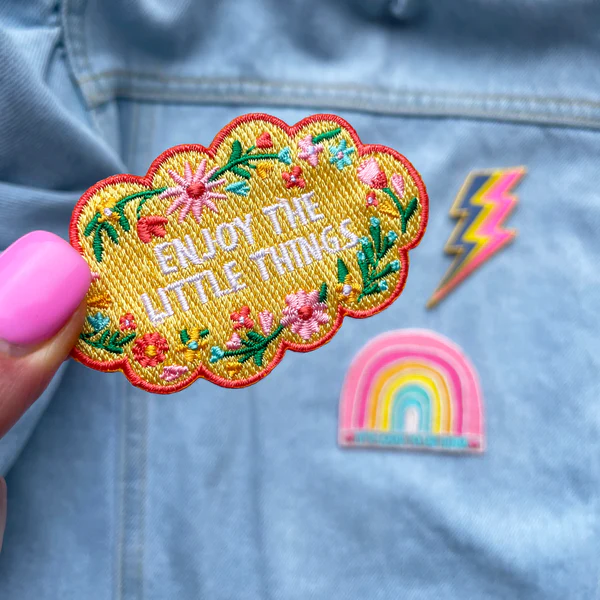
Quality brands often use better heat-activated adhesive and stronger base fabric. Cheaper patches may look fine at first but lift quickly after washing. If they want durability, they should look for patches marketed for repairs or heavy-duty use rather than purely decorative ones. See benefits of custom lanyards for branding.
What are the most common reasons iron on patches peel off?
The most common reasons are incorrect heat, insufficient pressure, and incompatible fabric. Steam use is another frequent cause, because moisture can interfere with adhesive bonding during application.
Edges also lift when patches are placed over seams, thick stitching, or highly textured fabric. Another issue is applying a patch to fabric that is dirty, waxed, or coated. If they want the patch to last, the area should be clean, dry, and flat.
What’s the best way to make an iron on patch last for everyday use?
They should choose the right patch, apply it properly, and reinforce it if the garment is high-wear. That simple combination is what turns “temporary” into “lasting”.
A practical checklist:
- Use patches suited to cotton, denim, or sturdy blends.
- Press with firm pressure for the full recommended time, no steam.
- Let it cool fully before handling.
- Stitch the edges for bags, knees, elbows, or frequent-wash items.
- Wash inside out and avoid high heat drying where possible.
So, are iron-on patches durable enough for everyday use?
Yes, for many everyday items they are durable enough, especially on stable fabrics like denim and cotton. But if they expect heavy use, frequent tumble drying, or high-friction areas, they will get the best results by sewing the patch edges after ironing.
In other words, iron-on patches can absolutely be practical. They just work best when treated as a strong bond that becomes truly long-lasting with the right fabric choice and a little reinforcement.
FAQs (Frequently Asked Questions)
Are iron-on patches durable enough for everyday use?
Yes, iron-on patches can be durable for everyday use, especially when applied to suitable fabrics like denim or cotton and reinforced properly. However, their longevity depends on the patch quality, fabric type, and application method.
Which fabrics are best suited for applying iron-on patches?
Tightly woven fabrics such as cotton, denim, and cotton blends hold iron-on patches best. These materials tolerate heat well and provide a good surface for the adhesive to bond securely.
Do iron-on patches withstand regular washing and tumble drying?
Many iron-on patches survive regular washing if cared for properly—washing inside out on a cooler cycle is recommended. However, tumble drying often causes patches to lift due to heat and agitation; air drying or low heat tumble drying helps extend patch life.
Can iron-on patches be used effectively on high-wear areas like knees and elbows?
Iron-on patches alone are usually not sufficient for high-wear areas such as knees or elbows. For these spots, it’s best to reinforce the patch by sewing around the edges after ironing to prevent peeling and increase durability.
How important is the application technique when attaching iron-on patches?
Application technique greatly affects durability. Using the correct heat setting without steam, applying firm even pressure for the full recommended time, and allowing the patch to cool completely before moving the garment ensures a strong bond that lasts longer.
Should I sew my iron-on patches for better durability?
Yes, sewing around the edges of an iron-on patch significantly improves its durability. A simple running stitch or zigzag stitch prevents edge lift and helps patches withstand frequent wear and washing, making them more robust for everyday use.